

Shop smart and do your research before buying a second-hand car, to reduce the risk of things going wrong. You might think a car offered for sale looks great, but if you don’t make some important checks you could end up with a dud.
Watch our short videos to help you know your rights and avoid problems, like hidden damage or the car being repossessed because someone else owes money on it.
Video: Buying a used car? Avoid hidden damage
Visual:
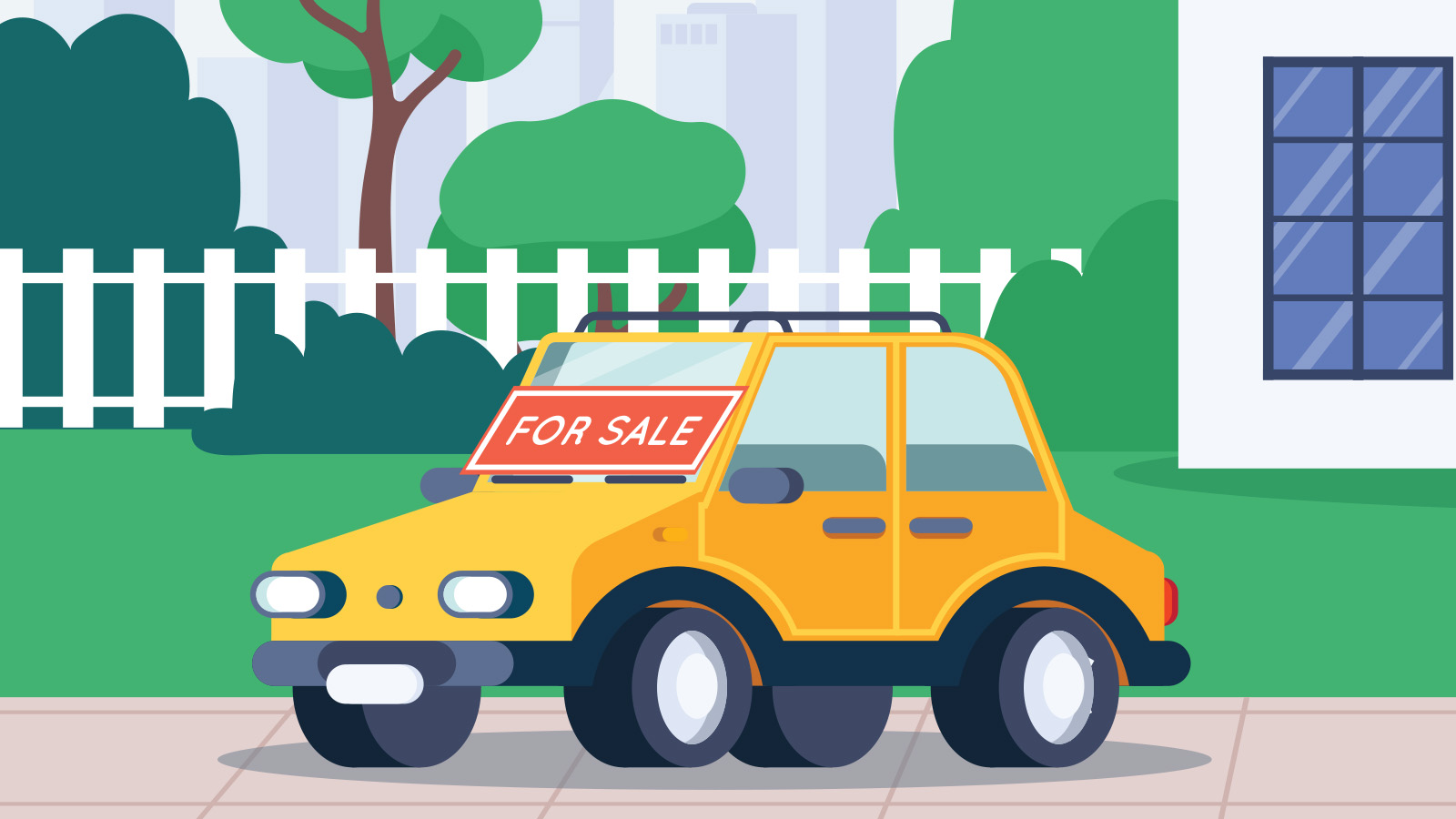
A car with a ‘for sale’ sign on its windscreen is parked by the side of the road.
Car buyer:
Great wheels. Great price. I’ll buy it!
Narrator:
Is this really the best option?
What if there’s hidden damage, like flood damage or a past write-off? Those repairs could be costly.
Visual:
The car’s bonnet is up with smoke coming out from the engine.
Narrator:
If money is owed on the car, it could be repossessed.
Visual:
The car vanishes.
Narrator:
Reduce the risk, by test driving the car and having a mechanic inspect it.
When buying privately, check the government’s Personal Property Securities Register.
Visual:
Icons with ticks appear on the screen and text that says ‘Test drive’, ‘Mechanic inspection’ and ‘Check ppsr.gov.au’ (external site).
Narrator:
If you buy from a licensed dealer any defects should be disclosed, and the car must be roadworthy.
Visual:
A licensed car dealer’s hand giving car keys to the buyer, with a car in the background.
Icons with ticks appear on the screen and text that says ‘Defects disclosed’, ‘Warranty in most cases’ and ‘Consumer guarantees’.
Narrator:
You get a warranty in most cases and consumer guarantees.
Visual:
Part of the outside of the car becomes transparent to show the main battery in the car.
Narrator:
The main battery in an EV or hybrid is also now covered.
Visual:
A city-scape appears in the background.
Narrator:
Search ‘Buying a used car’ to find out more.
Visual:
The Consumer and Business Services logo and Motor Trade Association logo appear on the screen and text that says ‘Find out more at cbs.sa.gov.au/cars’
Video: Buying a used car? Know your rights
Visual:
A hand is scrolling through cars for sale on a mobile phone and stops on a dark purple car.
Car buyer:
This car looks great!
Visual:
The dark purple car that the buyer is interested in appears to jump out the phone screen and is then parked on the side of a road.
Narrator:
What if there’s hidden damage, like flood damage or a past write-off?
Visual:
The car’s bonnet is up with steam coming out from the engine.
Narrator:
The repairs could be costly.
Narrator:
Reduce that risk, by test driving the car and having a mechanic inspect it.
When buying privately, check the government’s Personal Property Securities Register.
Visual:
Icons with ticks appear on the screen and text that says ‘Test drive’, ‘Mechanic inspection’ and ‘Check ppsr.gov.au (external site)’.
The visual changes to show several cars for sale in a licensed dealer’s business.
Narrator:
When you buy from a licensed dealer any defects should be disclosed, and the car must be roadworthy.
You get a warranty in most cases and consumer guarantees.
Visual:
Icons with ticks appear on the screen and text that says ‘Defects disclosed’, ‘Warranty in most cases’ and ‘Consumer guarantees’.
The visual changes to show several cars driving along a road.
Narrator:
Search ‘Buying a used car’ to find out more.
Visual:
The Consumer and Business Services logo and Motor Trade Association logo appear on the screen and text that says ‘Find out more at cbs.sa.gov.au/cars’
Faults and hidden damage
Second-hand cars aren’t always perfect. Some have significant defects which can be costly to repair. Some cars have problems that don’t affect the running of the car but are still faults – e.g. problems with the GPS, sunroof or sound system.
You’ll want to know about any defects though, so you can decide whether you still wish to purchase the vehicle. Not every defect or fault is covered by a warranty and you should always check the contract to see what items are included.
Licensed dealers must only sell vehicles that are roadworthy, and they should disclose any known defects. But if you buy privately, there’s a risk the seller might not disclose any known defects.
If a car has been flood damaged interstate it could be offered for sale to unsuspecting buyers in South Australia. The extent of the damage might not show up until later, and it could be costly to repair or have a lower trade-in value.
- If the damage is major, the car may have been ‘written off’. A licensed dealer must disclose if a car has been written off or is flood damaged, but a private seller is not legally required to disclose this.
- If the damage is minor, the vehicle can be a ‘repairable write off’. This must be disclosed by a licensed dealer, but a private seller might choose not to disclose this.
If you buy privately, you can find out if a vehicle has been written-off by doing a Personal Property Securities Register (PPSR) (external site) (external site) check.
Tips - before you buy:
- Set a price limit you can afford. Allow for stamp duty, transfer fees, registration and insurance.
- Take your time. Don’t be rushed or pressured.
- Shop around for the best deal.
- Take the car for a test drive.
- Have the car checked by a qualified independent mechanic.
- Don’t sign anything until you’re sure the car is in good condition and you want to buy it.
- Understand your rights and the dealer’s obligations
- Check if the car is covered by a statutory warranty
- Inspect the white piece of paper in the car window
- Have everything you negotiate with the dealer in writing
- Be aware that paying extra for an extended warranty may not be worth it. Check whether the extended warranty will actually give you anything extra to your rights under consumer guarantees, the statutory warranty or manufacturer’s warranty (if one applies)
- Check the dealer’s licence is up to date.
Remember that if you buy from a licensed dealer, you get important consumer protections:
- The car must be roadworthy, and defects should be disclosed
- You are guaranteed ownership of the car
- The car is automatically covered by consumer guarantees, so if there’s a problem you may be entitled to a remedy – e.g. having repairs done at no cost to you
- You get a warranty in most cases, and you cannot waive your rights overall to having repairs done under the warranty.
- Check that the seller is the registered owner. If not, is there a genuine reason?
- Visit the Personal Property Securities Register (external site) (external site) to check that the car hasn’t been stolen, flood damaged or written off, and that no money is owed on the car. If someone else owes money on the car you’ve bought, it could be repossessed.
- Never buy from a backyard seller – that's someone who should have a dealer’s licence because of the number of vehicles they buy or sell each year, and yet they don’t have a licence. Be careful. If you think the seller seems to buy/sell enough cars to be a dealer (4+, or 6+ with a close associate), check to see if they have a licence.
Newer cars are usually safer and more likely to have advanced safety technology. Before you buy a car, it’s worth checking the safety rating. These ratings show how well a car protects drivers and passengers from serious injury or death in a crash, compared to other cars.
Visit thinkroadsafety.sa.gov.au/safecars for more information.
Helpful guides and links
- Follow the checklist to guide you through the car buying process.
- See the Easy Read brochure for clear information in simple language: Buying a used car - Easy Read.
- A printable DL brochure is also available.
- Check if a dealer is licensed – Licensing Public Register (external site). (external site.
- Check that the vehicle hasn’t been stolen and there is no money owed – Personal Property Securities Register (external site). (external site).
- Visit the MoneySmart website to work out the real cost of buying and running a car (external site). (external site)
- See the Australian Government’s Green Vehicle Guide (external site) (external site) to compare the environmental performance and fuel consumption of vehicles.
Fixing a problem
If you have an issue with a car you bought in South Australia, there’s a new online tool that can help. It gives advice on how to solve the problem and even includes a sample complaint letter to send to the dealer.
If you’ve already tried to sort it out with the dealer but still need help from CBS, you can use the tool to upload your letter and other documents, like emails, screenshots of text messages, and the sale contract. A CBS officer will look at the information and contact you. They may help by talking to you and the dealer to try to reach an agreement.
For more information visit SA.GOV.AU - Disputes about a second-hand car (external site) (external site).
The Form 1 (section 16 notice) gives you important information about the car, such as the year, make, model, number of kilometres travelled, and price.
If the car has ever been recorded as wrecked, written-off or having significant damage due to water exposure, dealers must include this in the Form 1.
You and the dealer can agree that some problems (defects) with the car won’t be fixed under the dealer’s warranty (duty to repair). This might help you get a lower price – but the car still has to be safe to drive when you buy it.
All problems, not affecting its safety, that you and the dealer agree won’t be fixed must be listed on a Notice of Defects that you both sign before the contract.
For electric or hybrid cars, the main battery is now covered by the dealer’s warranty and must be repaired if it fails.